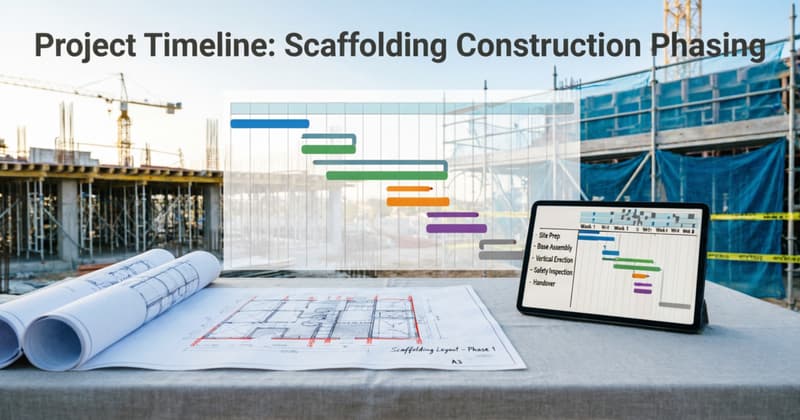

Scaffolding Timeline Planning: From Quote to Removal
Understanding the full lifecycle of scaffolding on your project for better planning and budgeting.
Mana Scaffolding Team
Mana Scaffolding Limited
The scaffolding on your building site is a temporary structure with a permanent impact on your project’s success. Get the timing right — from the first phone call to the last truck pulling away — and everything flows. Get it wrong, and you are watching trades stand idle while waiting for access, or paying for scaffolding that sits unused while other work catches up.
Understanding the full lifecycle of a scaffolding hire gives you the control to plan precisely, budget accurately, and avoid the timeline surprises that derail projects.
Phase 1: Quote and Planning
Every scaffolding project begins with information exchange. You provide the site address, scope of work, approximate duration, and any constraints — height restrictions, tight access, neighbouring properties. Your scaffolding provider assesses the site conditions, identifies safety considerations, determines engineering needs, and checks permit requirements.
The resulting quote should specify the scaffold configuration, installation timeline, hire period rates, modification allowances, removal timeframe, and total cost estimate.
The key here is starting early. Begin the quoting process two to four weeks before you need scaffolding on site. Complex projects — heritage buildings, multi-storey commercial work, sites requiring traffic management — benefit from even more lead time.
Phase 2: Scheduling and Permits
Once you accept the quote, dates are confirmed in the calendar, equipment and crew are allocated, and logistics are finalised. This is also the phase where permit requirements surface, and they can significantly affect your timeline.
Council permits for road or footpath occupation typically take two to five working days. Traffic management plans, engineering certifications, and building owner consents can extend this further. If your project needs any of these, start the permit process during the quoting phase — not after.
The most common cause of delayed scaffolding starts is not weather or equipment — it is permits that were applied for too late.
Phase 3: Delivery and Installation
Installation day is where preparation meets execution. Materials arrive on site, components are checked against the specification, and the erection crew gets to work.
Installation duration depends on the size and complexity of the scaffold, site access conditions, height considerations, and weather. A single residential elevation might take half a day. A full residential wrap typically requires one to two days. Commercial buildings range from two to seven days, and complex or heritage projects can take longer.
| Project Size | Typical Duration |
|---|---|
| Small residential (single elevation) | 0.5–1 day |
| Standard residential (full wrap) | 1–2 days |
| Large residential / small commercial | 2–3 days |
| Commercial building | 3–7 days |
| Complex or heritage | 5+ days |
Upon completion, the installation team provides a full handover: structural completion confirmation, safety features in place, tag system active, access points ready, and a user briefing covering safe use of the scaffold.
Phase 4: Active Use
The hire period is the longest phase, and it is where most timeline variables come into play. Your quoted duration applies, with standard inspection compliance and safety maintenance handled by the scaffolding provider.
If your project extends beyond the original timeline — and many do — advise your provider as early as possible. Extension rates typically match the original hire rate, but significant extensions may trigger a re-rate. Modifications during use, such as height changes, platform relocations, or weather protection additions, are common and generally manageable with reasonable notice.
Minor modifications can often be completed same day. Major reconfigurations may require one to two days of lead time. Planning ahead keeps your site productive.
Phase 5: Removal
Dismantling is typically faster than erection — usually 50 to 75 per cent of the installation time. The process follows the reverse of installation: careful material handling, maintained site protection, and complete removal of all components.
To schedule removal, contact your provider when the scaffold is no longer needed. Confirm the site is clear of materials, ensure access for the crew, and the dismantling team handles the rest. Final documentation is provided, and the site is reinstated to its pre-scaffold condition.
Building Realistic Buffers Into Your Plan
The difference between a timeline that works and one that breaks is buffer time. Weather delays during installation, project extensions, modification needs, and permit processing all consume time that is not accounted for in optimistic schedules.
The Timeline Partnership
Scaffolding is not a commodity you order and forget. It is a dynamic part of your project that requires ongoing communication between you and your provider. The most successful projects are those where both sides stay in regular contact — sharing progress updates, flagging timeline changes early, and planning modifications before they become urgent.
Mana Scaffolding provides accurate quotes within stated timeframes, reliable scheduling, and clear communication from first contact to final removal. We work with your timeline — not against it.
Planning a project? Let's map out your scaffolding timeline together.
Get a QuoteNeed Expert Scaffolding?
Get a free consultation for your next project.
Mana Scaffolding Team
Mana Scaffolding Limited
Based in Christchurch, Mana Scaffolding brings international expertise from Canada and the UK to deliver safe, compliant scaffolding solutions across Canterbury. Contact us at 0508 626 272.
Related Articles
5 Signs Your Construction Site Needs Better Access Solutions
Warning signs that indicate your current access setup is unsafe or inefficient for your construction project.
Choosing the Right Scaffolding System for Your Project
A guide to different scaffolding systems and when each is appropriate for Canterbury construction projects.
Residential vs Commercial Scaffolding: Key Differences
Understanding the critical differences between residential and commercial scaffolding projects helps property owners and project managers plan effectively.