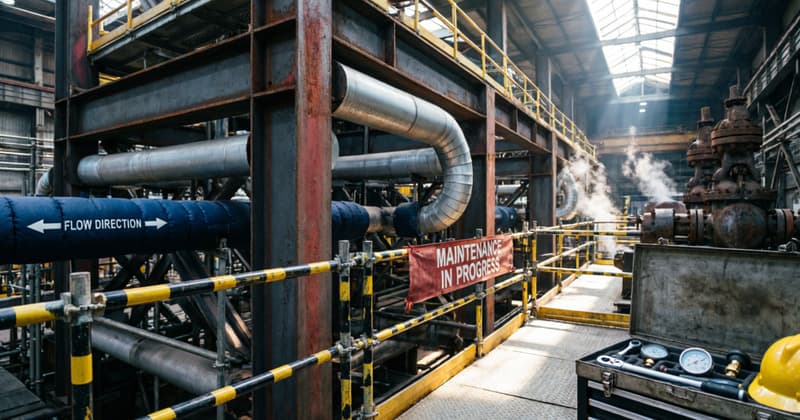

Industrial Scaffolding: Challenges and Solutions
Heavy industrial environments demand specialized scaffolding approaches for safety and efficiency.
Mana Scaffolding Team
Mana Scaffolding Limited
Walk into a food processing plant during a scheduled maintenance shutdown and you’ll find scaffolding erected over active production lines, with containment barriers preventing debris from contaminating product below. Visit a manufacturing facility and you might see cantilevered platforms reaching over heavy machinery that can’t be moved. Industrial scaffolding operates in a completely different world from residential or commercial construction — and the stakes are correspondingly higher.
Industrial facilities across Canterbury present unique challenges that demand specialized expertise, equipment, and safety protocols. Understanding these challenges is the first step toward managing them effectively.
The Environment Changes Everything
Standard construction sites have their hazards, but industrial environments add layers of complexity that fundamentally change how scaffolding must be designed, installed, and managed.
Chemical exposure in processing plants creates corrosive atmospheres that degrade standard scaffolding components over time. Extreme heat near furnaces and processing equipment affects both materials and workers. Abrasive dust infiltrates moving parts and connections, compromising structural integrity. High humidity in processing areas accelerates corrosion and creates slippery surfaces.
Perhaps the most significant difference is that industrial scaffolding often needs to operate alongside continuous production. Unlike construction sites where the scaffold is the primary activity, industrial facilities need height access while operations continue — which means production scheduling around work windows, managing noise and vibration from active equipment, protecting workers from operational traffic, and in food-grade facilities, preventing any contamination of product.
Materials Matter More Than You Think
The choice of scaffolding materials in industrial settings isn’t aesthetic — it’s a safety decision with real consequences. Hot-dipped galvanized steel provides the corrosion resistance needed for harsh chemical environments. Aluminum components are specified where weight is critical, such as suspended scaffolds hung from overhead structures that have limited load capacity. Protected bearings prevent contamination from abrasive particles, and non-sparking materials are essential in explosive atmospheres found in some processing facilities.
Getting this wrong isn’t just inconvenient. Using standard steel in a corrosive environment can lead to accelerated degradation that’s invisible until a component fails under load.
Structural Designs Built for Industrial Reality
The scaffold configurations most common in industrial work reflect the nature of the environment. Birdcage systems provide ceiling access across large areas — essential for maintaining overhead services, lighting, and ventilation. Suspended scaffolds hung from overhead structures reach areas where ground-based support isn’t possible. Cantilevered platforms extend over equipment that can’t be moved or shut down. Rolling towers provide mobile access along long production lines or warehouse aisles.
Access integration is equally critical. Stair towers handle heavy foot traffic more safely than ladders. Material hoists move equipment to height without manual carrying. Chutes manage debris removal without risking contamination below.
Safety Protocols That Match the Risk
Industrial scaffolding safety starts well before the first component is unloaded. A thorough hazard assessment reviews all site-specific risks — from chemical exposure to moving machinery. Permit coordination with site safety officers ensures everyone understands the constraints. Lockout/tagout verification for all equipment near the work zone prevents accidental energisation. And site-specific emergency planning accounts for evacuation routes that may be different from the facility’s normal procedures.
During the work itself, daily safety briefings, continuous atmospheric monitoring where required, immediate reporting procedures, and dedicated safety observers for complex operations all contribute to maintaining a safe working environment.
Canterbury’s Industrial Landscape
Canterbury’s industrial sector spans a range of facility types, each with its own scaffolding requirements.
Food processing facilities demand hygiene-rated materials, food-safe lubricants, contamination prevention protocols, and Ministry of Primary Industries compliance. There’s zero tolerance for foreign material entering the production chain, which means every scaffold component and every work practice must be designed with contamination prevention in mind.
Manufacturing plants require production scheduling integration, heavy equipment installation support, maintenance access systems, and often long-term hire arrangements that keep scaffolding available for ongoing needs.
Warehouses and logistics centres need access for high-bay lighting maintenance, racking installation support, roof and cladding work platforms, and all of it with minimal disruption to operations that may run around the clock.
Lessons from International Industrial Experience
Our team brings industrial scaffolding experience from some of the world’s most demanding environments. From Canada, we’ve adapted cold-weather industrial access techniques that are directly relevant to Canterbury’s freezer facilities and cold stores. From the UK, we’ve brought refinery and chemical plant safety standards that set the benchmark for hazardous environment work.
Planning Your Industrial Scaffolding Project
The key to successful industrial scaffolding is early engagement. The more time your scaffolding provider has to understand the facility, assess hazards, design engineered solutions, and coordinate with your operations team, the smoother the execution will be.
If you’re planning maintenance shutdowns, equipment installations, or ongoing access solutions for an industrial facility in Canterbury, we’d welcome the opportunity to discuss your requirements.
Industrial scaffolding demands specialist expertise. Let's discuss your facility's specific requirements.
Request a Site AssessmentNeed Expert Scaffolding?
Get a free consultation for your next project.
Mana Scaffolding Team
Mana Scaffolding Limited
Based in Christchurch, Mana Scaffolding brings international expertise from Canada and the UK to deliver safe, compliant scaffolding solutions across Canterbury. Contact us at 0508 626 272.
Related Articles
Industrial Scaffolding: Challenges and Solutions for Heavy Industry
Industrial scaffolding presents unique challenges. Learn how specialized solutions ensure safety and efficiency in processing plants, factories, and warehouses.
Winter Scaffolding: Preparing Your Site for Cold Weather
Essential considerations for scaffolding during Canterbury's winter months.
Complete Guide to Scaffolding Safety Standards in New Zealand
Everything you need to know about NZ scaffolding safety regulations, AS/NZS 1576 standards, and compliance requirements for construction projects.